Beyond Economic Performance: What Makes a Region Truly Competitive?
Every organisation competes for talent. But before talented people choose an employer, they often choose a place. Why do some cities and regions continue to attract investment, entrepreneurs and business leaders while others struggle to retain them? The answer extends far beyond economic indicators. Competitiveness is increasingly shaped by the quality of the environment in which people live and organisations operate.
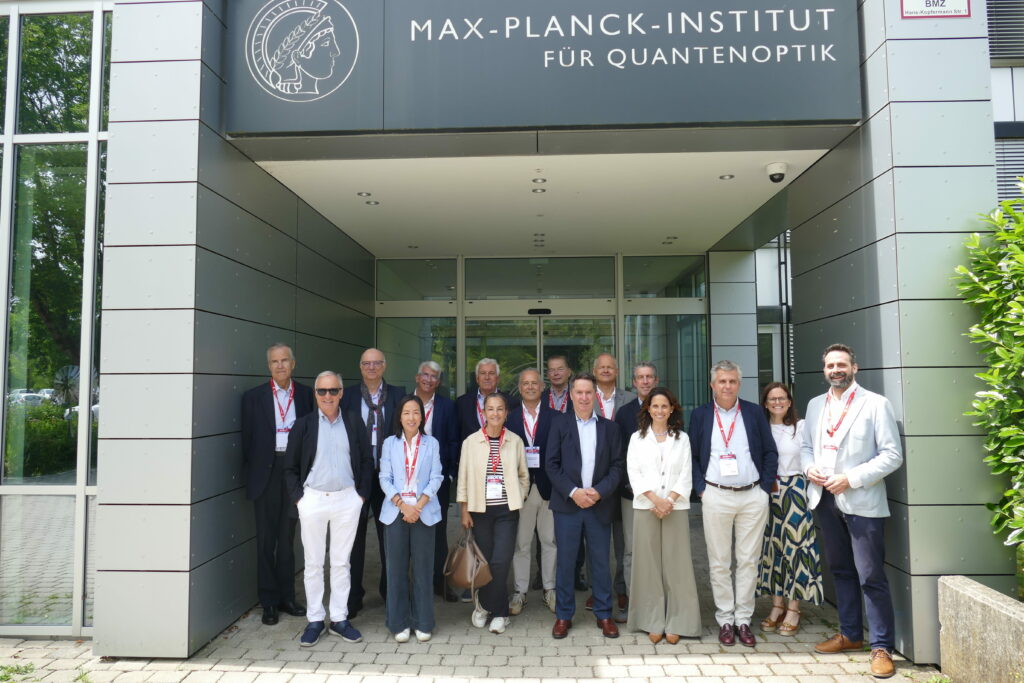
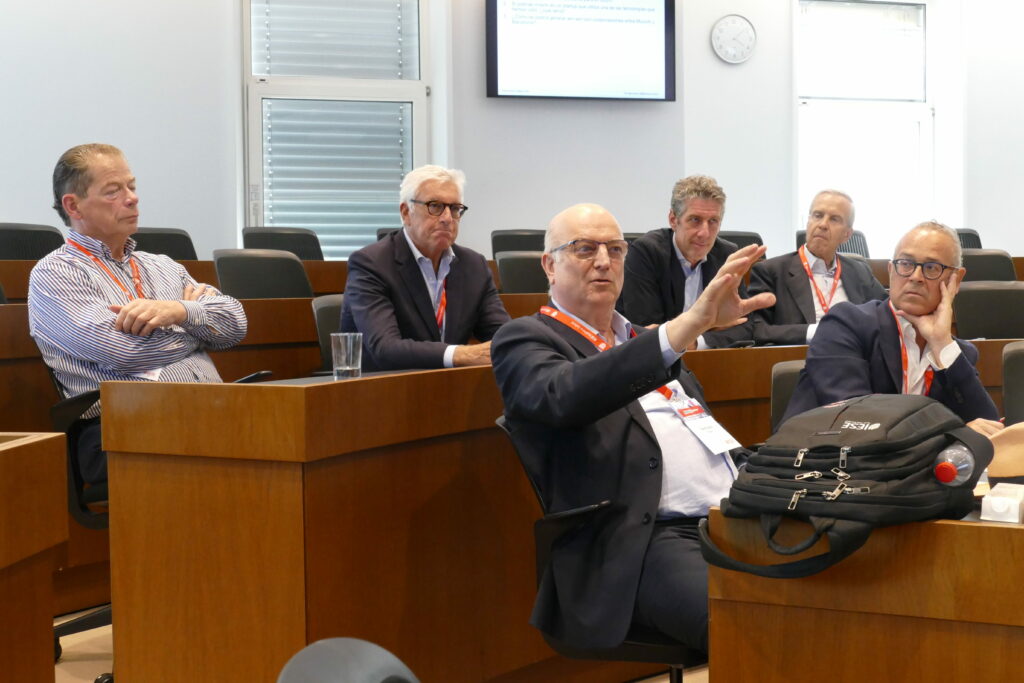
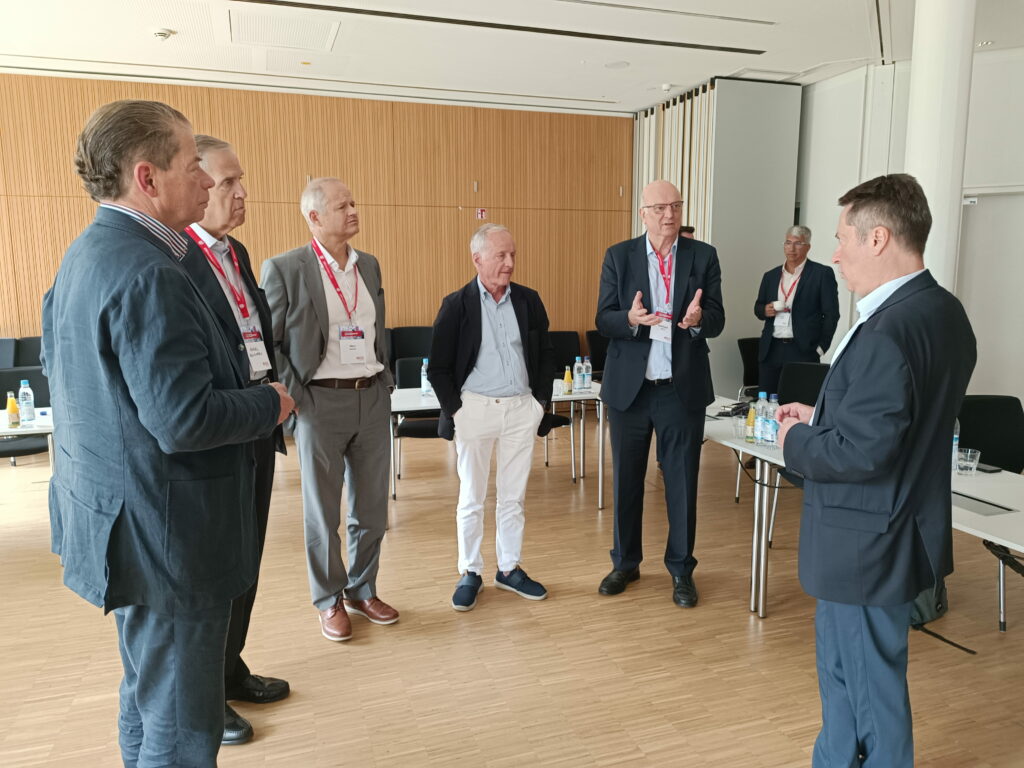
This topic was at the heart of the annual Harvard Group meeting, held this year in Munich. Created by Professor Pedro Nueno, the Harvard Group brings together business leaders, academics and professionals to exchange ideas on the future and competitiveness of the Barcelona metropolitan area. The discussions explored what Barcelona can learn from other successful European ecosystems and how it can continue strengthening its position as an international business hub.
Among the participants was Santi Tarín, Chair of Alliance Partnership International, who shared his reflections on the factors that enable cities and regions to thrive over the long term.
Competitiveness Is Built Beyond the Economy
Economic performance undoubtedly matters. However, sustainable competitiveness depends on a much broader set of conditions.
Strong infrastructure, efficient public transport, public safety, affordable housing and high quality of life all contribute to creating places where people want to live, work and build their careers. These factors influence not only economic activity but also the ability of organisations to attract, develop and retain talented people.
Rather than viewing competitiveness as a race measured only through GDP or investment figures, the discussion highlighted the importance of creating environments that support both business success and social wellbeing.
Confidence Is Also a Competitive Advantage
One of the central themes of Santi Tarín’s reflections was the importance of optimism.
Cities rarely become more competitive through constant comparison with others or by focusing exclusively on their shortcomings. Progress comes from recognising existing strengths while maintaining the ambition to improve continuously.
Barcelona already enjoys an outstanding international reputation. Every year, business leaders, entrepreneurs and professionals from around the world recognise its quality of life, entrepreneurial spirit and international outlook. These strengths should not be taken for granted, but neither should they be overlooked.
Competitiveness requires confidence. It requires believing that improvement is possible while building upon what already works.
Building the Conditions for Talent
Although the discussions extended well beyond executive search, many of the issues raised directly influence the movement of leadership talent across borders.
Senior executives increasingly evaluate opportunities through a broader lens than salary or career progression alone. They consider whether a city offers efficient mobility, safety, educational opportunities, cultural vitality and an environment where both their organisations and their families can flourish.
In today’s global economy, talent is highly mobile. Regions therefore compete not only to attract investment but also to create the conditions that encourage talented people to stay and contribute over the long term.
Collaboration Creates Stronger Ecosystems
Another recurring theme was the importance of collaboration. Long-term competitiveness cannot be achieved by public institutions or private organisations working independently. It requires dialogue, shared responsibility and a willingness to pursue common objectives.
When businesses, universities, public administrations and civic organisations collaborate, they create stronger ecosystems capable of adapting to change, supporting innovation and generating sustainable growth.
These principles extend well beyond Barcelona. They apply to every region seeking to remain competitive in an increasingly interconnected world.
Why This Matters to Executive Search
At API, we work with organisations that operate across international markets and compete for leadership talent every day.Finding exceptional leaders is only one part of the equation. Those leaders also need environments where they can succeed, innovate and build lasting organisations.
Executive search therefore sits at the intersection of business, leadership and economic development. The competitiveness of organisations is closely connected to the competitiveness of the regions in which they operate. As conversations about talent continue to evolve, so too must the conversations about the places that attract it.
Building stronger organisations ultimately begins with building stronger environments for people to thrive.